
Artificial Intelligence is everywhere, creeping its way into almost every corner of our lives. While it has its pros in certain parts of our day-to-day lives, its place within the College Readiness journey sways more negative than positive. Ahead, we explore the ways that utilizing AI during your college application process can actually hurt your college essays instead of helping them.
According to Harvard’s Division of Continuing Education, AI was originally created as a data analysis tool. In the 21st century, it has evolved into what’s called generative AI, which “creates new text based on past data.” This means that AI engines (also called large language models), including ChatGPT, Gemini, and Claude, analyze the information they are given—whether from the internet or input from their users—and respond based on what they believe the desired output should be. “It’s like the predictive text feature on your phone,” the blog post explains, “...as you start typing a new message, predictive text makes suggestions of what should come next based on data from past conversations.”
Your college application is an opportunity to showcase who you really are and the impact you can make on a college campus. Specifically, when it comes to the personal statement portion of an application, AI can actually do more harm than good.
As Rene Kizilcec, associate professor of information science in Cornell Bowers, said in the Cornell Chronicle, “Asking for a full draft will yield a generic essay that just does not sound like any real applicant.” Further, a study by Cornell’s field of information science supports this claim.
According to the study, “LLM-generated essays are linguistically distinct from human-authored essays, regardless of the specific model and analytical approach.” This means that no matter how many times you prompt your favorite AI tool or how much socioeconomic information you provide, it will still not have that uniqueness that makes you you.
Instead of falling back on generative AI to write your essays, look at your personal statement as an opportunity to grow and get to know yourself better.
According to our Veteran College Readiness Consultant, Brandi Gaylord, you should start by asking yourself the following questions:
Alongside ensuring your essay doesn’t sound like AI, writing your own essay will set you up for success as you enter the next chapter of your educational journey. Harvard’s blog says that the exercise can help you “develop your critical thinking and analysis skills, learn to be a great communicator, be impacted by what you’re learning about, and improve your research skills.” These qualities will make you a better student in the long run and ensure that you feel ready as you tackle your college-level courses.
While we strongly advise against using AI during your application process, we know that it’s hard to avoid temptation in our current climate. As such, it may be appropriate to use AI tools for the following purposes only (and with caveats):
%20-%202026-07-14T120109.658.png)
We recommend avoiding the use of AI in your college applications. We know that you’re capable of digging deep and expressing yourself in a way that shows the universities you’re applying to exactly why you deserve a spot on campus. With the support of your loved ones and your College Readiness Consultant, your essay will be a strong reflection of what makes you unique. An essay that reflects who you truly are will ensure that you land at the university that best suits you.
Our College Readiness program is designed to support you through the entire college application process. From helping write admissions essays to crafting the perfect resume, your Cram Crew Consultant will be by your side through it all. They’ll get to know you and empower you to tell your story in the most impactful way. Their insights and encouragement will make it easy to skip out on using AI tools. Instead, they’ll be your partner in expressing yourself and putting your best foot forward.
.png)
.png)
.jpg)
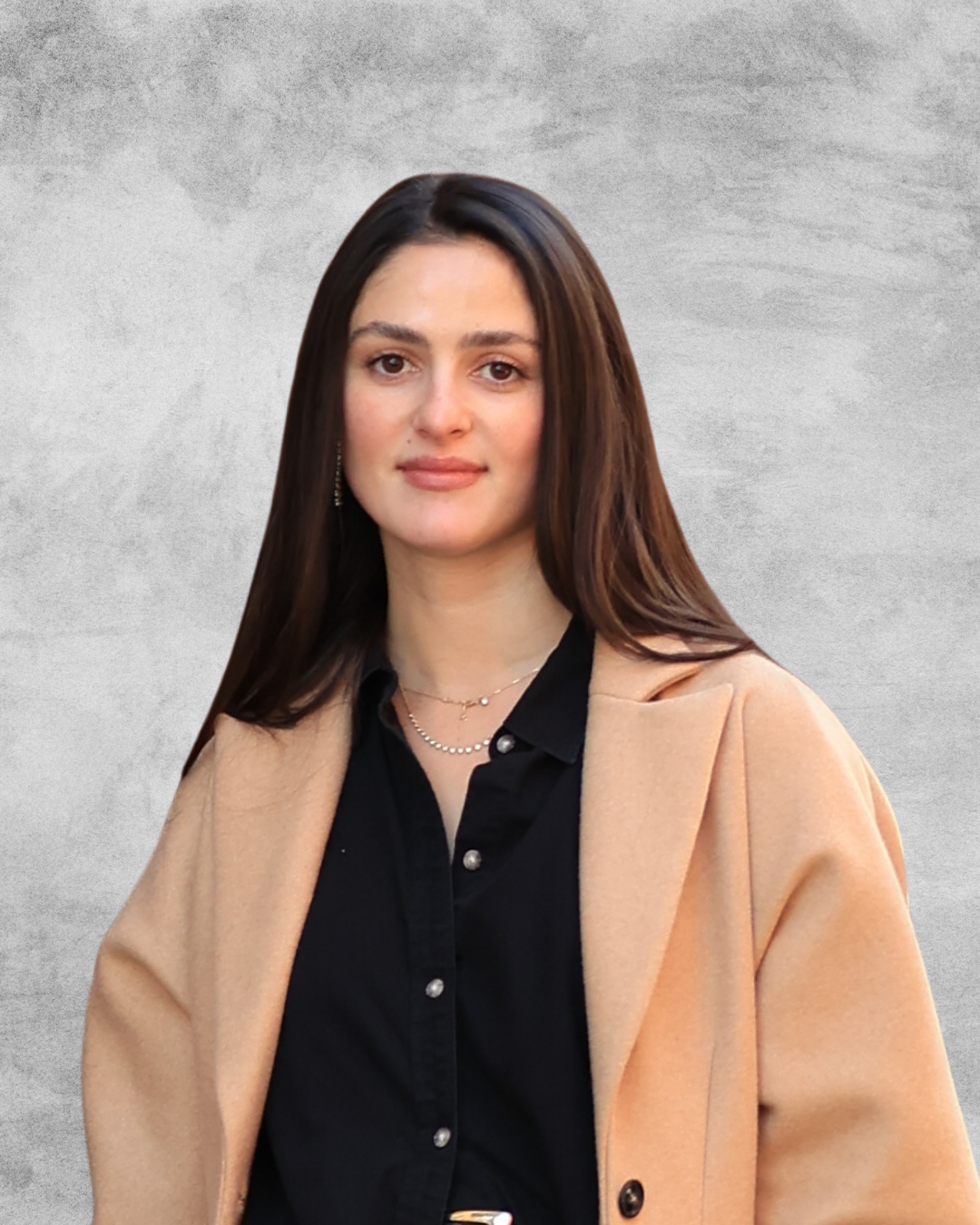
Jordan Rossman graduated from The University of Texas at Austin with a Bachelor's Degree in Social Work and New York University with a Master's Degree in Journalism, with a specialization in Digital Media and Storytelling. Jordan collaborates with the Cram Crew team to educate students and their families on timely topics within the College Readiness, Test Preparation, and Academic Support programs.
Stay informed with academic support resources, college
application updates, key deadlines, and expert educational tips when you subscribe to our monthly newsletter. Let us keep you confidently
in the educational loop.

